A working Calgary installer breaks down what flooring actually survives tenant turnover, from LVP to tile, and what to skip entirely.
If you own a rental in Calgary, you already know the drill. A tenant moves out, you've got two weeks before the next one moves in, and the flooring is the first thing anyone with eyes will judge. Rental property flooring in Calgary isn't about picking what you'd want in your own living room. It's about picking what survives four tenants, two dogs, a move-in day with a dolly, and whatever mess winter drags in on someone's boots.
I've redone flooring in enough Calgary rentals now, from downtown condos to basement suites in Killarney bungalows, to know what actually holds up and what looks good in a listing photo for exactly one showing.
Why carpet loses in Calgary rental flooring
Carpet used to be the default because it was cheap to install and forgiving underfoot. In a rental, forgiving is the problem. It holds odor, it stains, and it shows wear in traffic paths within a year. Every turnover you're either steam cleaning it and hoping, or replacing it outright. Neither is cheap when you're doing it every eighteen months.
I still see carpet specified in bedrooms sometimes, mostly because tenants ask for it and some property managers think it helps with sound transfer in condos. Fair enough. But for anything with foot traffic, main living areas, hallways, kitchens, carpet is the flooring equivalent of a white couch. It works until it doesn't, and then it works against you.
LVP is the workhorse of rental property flooring
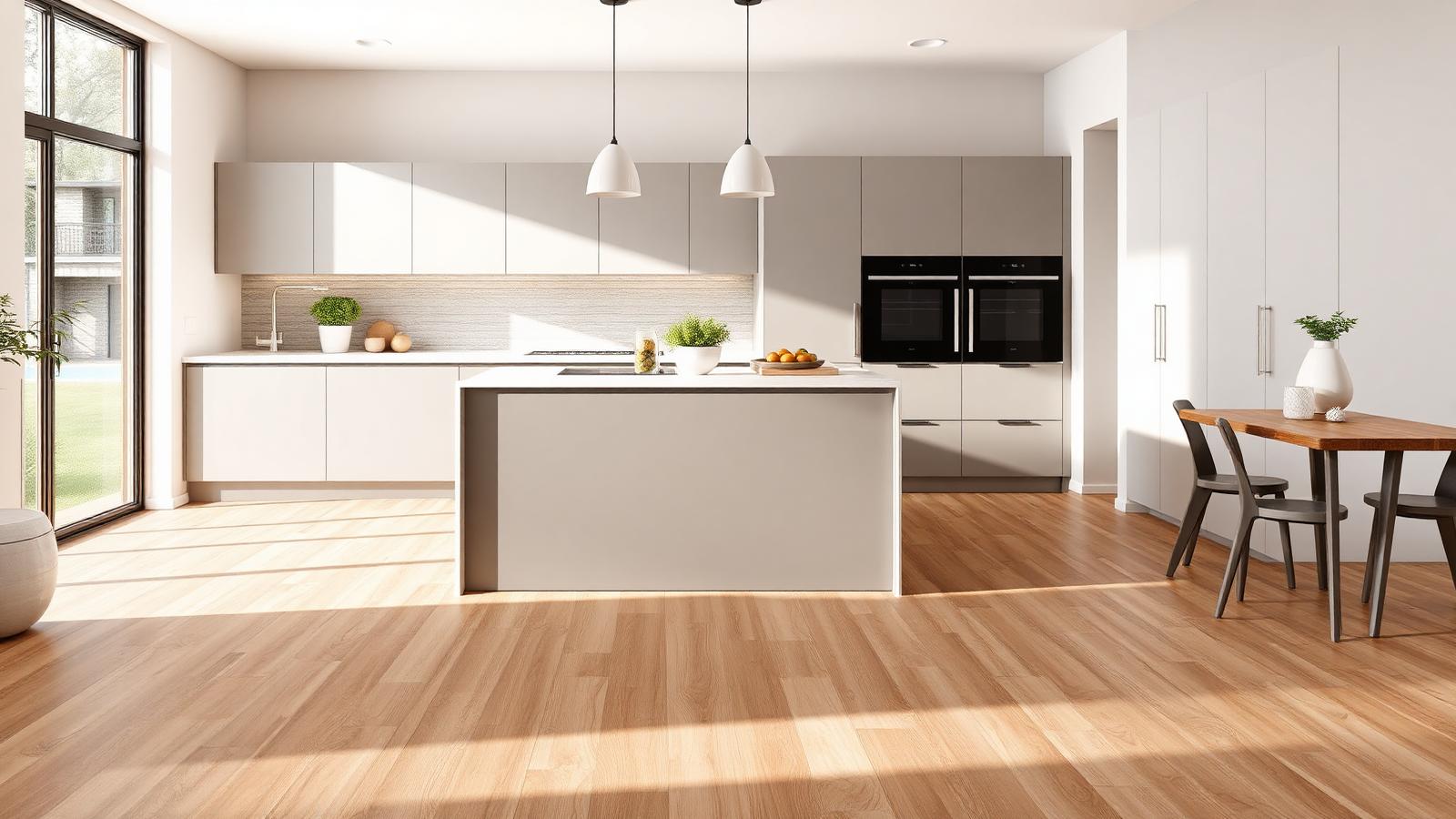
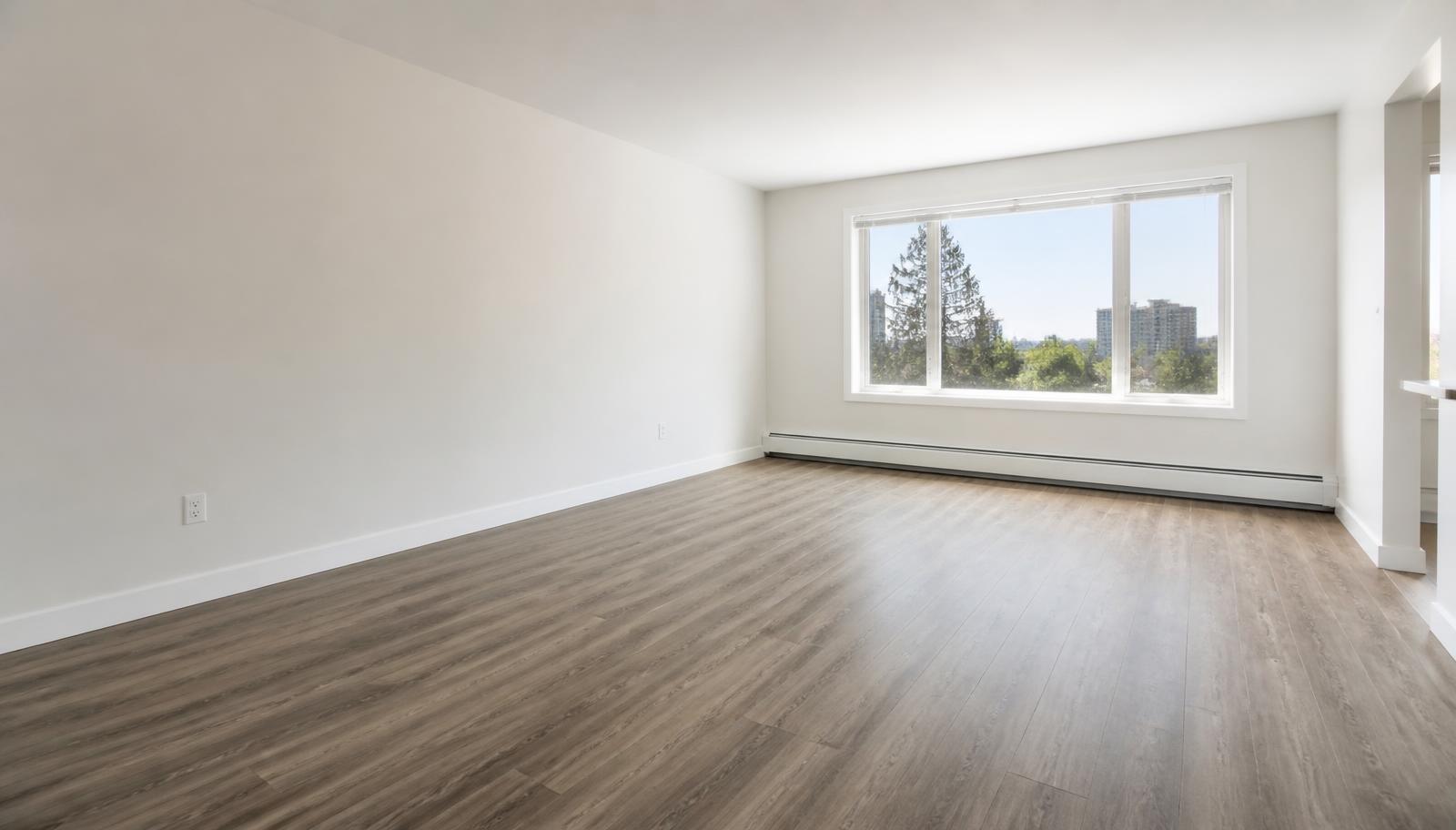
For rental property flooring in Calgary, LVP is what I'd put down nine times out of ten. It's waterproof, which matters more than people think once you've dealt with a leaking dishwasher in a rental where nobody caught it for three days. It handles scratches from moving furniture without needing a refinish. And when a plank does get wrecked, you can pull that one board and replace it instead of tearing out the whole room.
Cost-wise you're looking at roughly four to seven dollars a square foot installed depending on the product and what the subfloor needs. That's real money on a full unit, but weigh it against replacing carpet or refinishing hardwood every couple of tenants and the math works in LVP's favor fast.
One thing landlords miss: not all LVP is built the same. A 12-mil wear layer bought on sale is not the same product as a 20-mil commercial-grade plank, and in a rental that gets turned over often, the cheap stuff shows dents and scuffs within a year. Spend the extra dollar a foot on wear layer. You'll spend less overall.
Where tile still wins
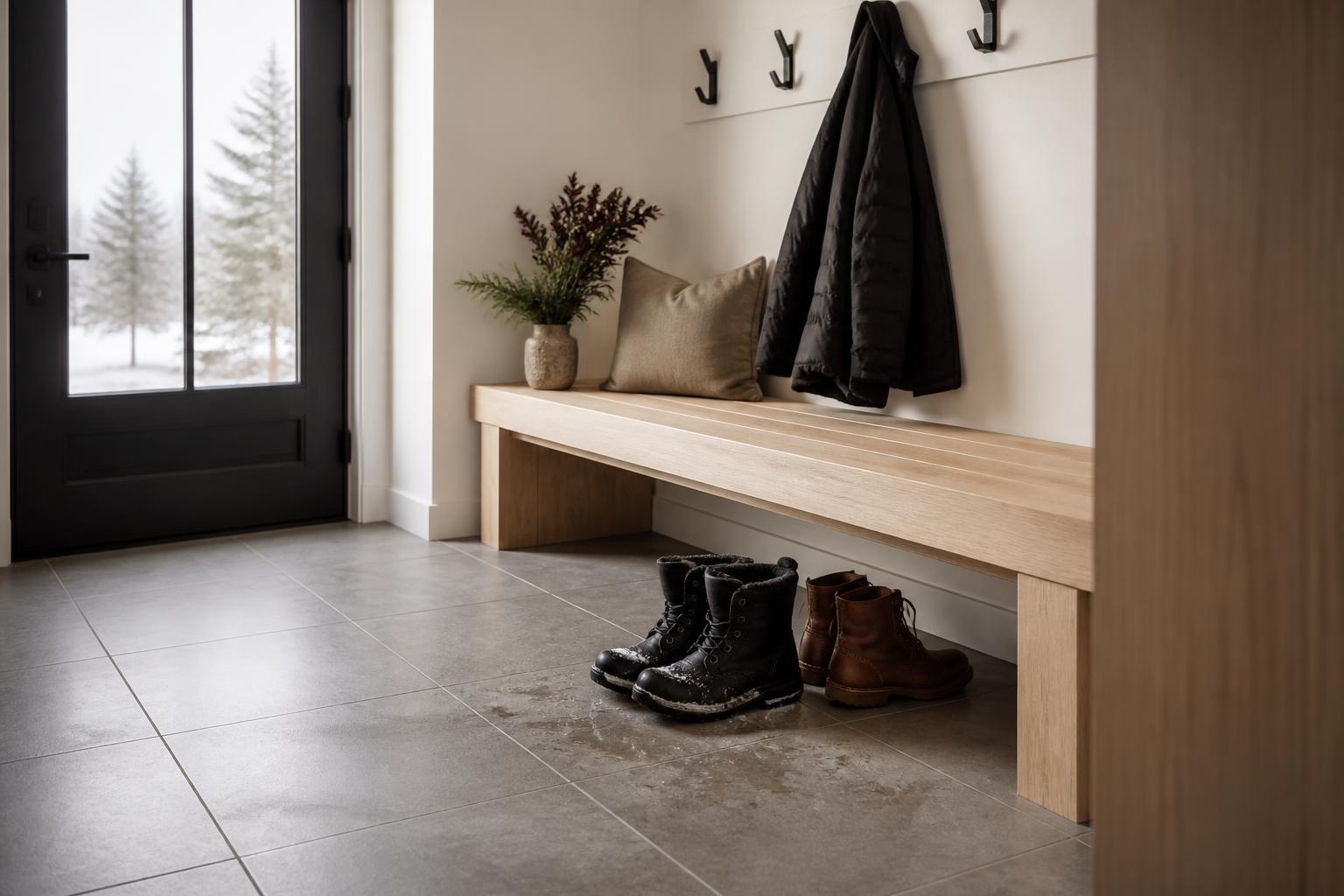
Bathrooms and entryways, tile is hard to beat. It doesn't care about water, it doesn't scratch from keys dropped on the floor, and Calgary's hard water leaves less visible mineral buildup on porcelain than it does on some vinyl finishes. Go with a larger format tile to cut down on grout lines, since grout is the one surface in a rental that a tenant will absolutely never clean and you'll be the one dealing with it at turnover.
For entryways specifically, factor in the same thing I'd tell any homeowner: Calgary winters mean road salt, slush, and grit tracked in for five months of the year. Porcelain shrugs that off. LVP handles it fine too. Carpet at the front door in a rental is just asking for a stain you'll never fully get out.
Older Calgary rentals need a subfloor conversation first
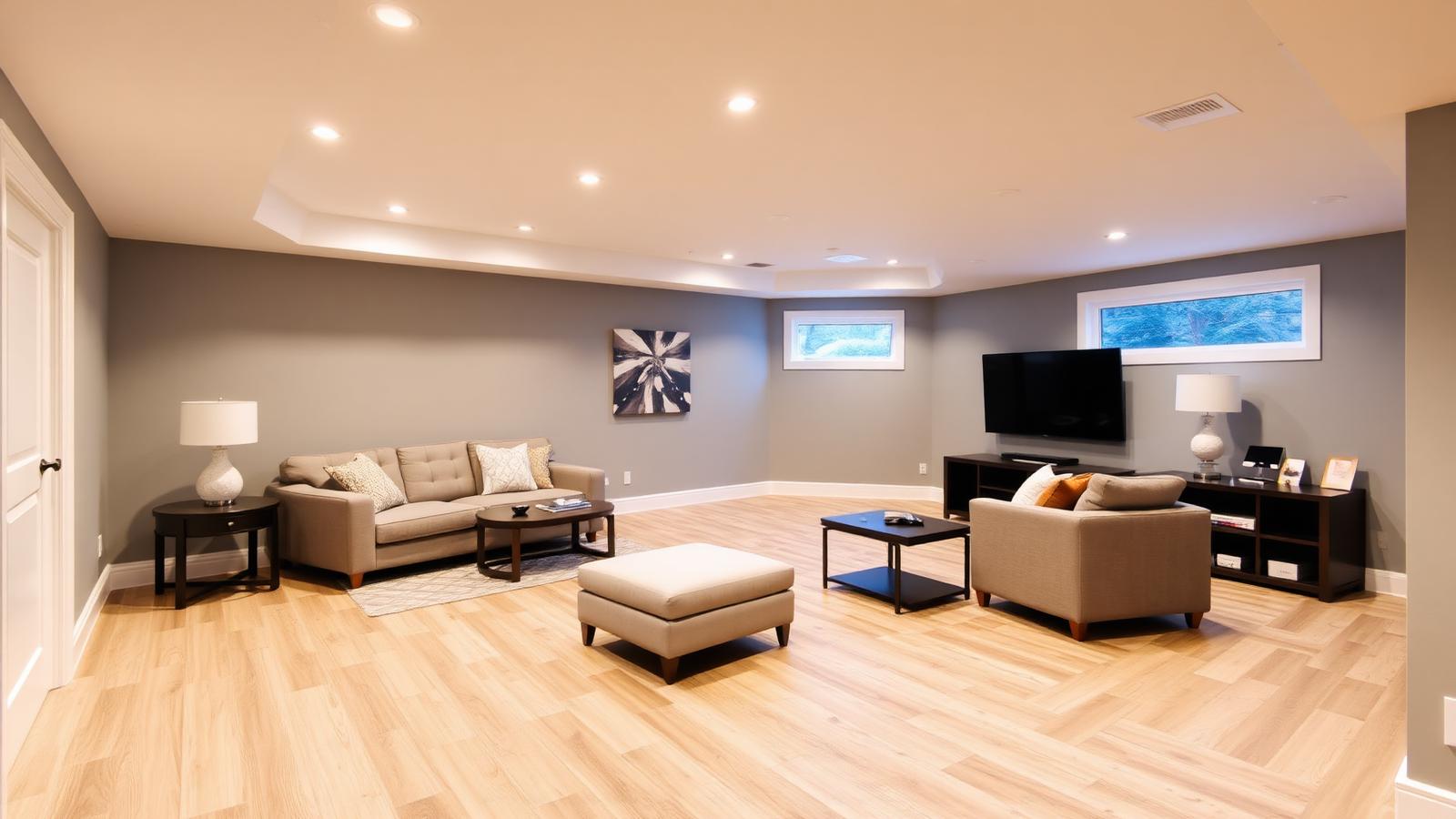
A lot of rental stock in this city is older character homes converted into legal or illegal secondary suites, especially in neighbourhoods like Bowness, Forest Lawn, and parts of the inner city. Those subfloors were often built for a single-family layout decades ago, not for a basement suite with its own kitchen and bathroom. Before you commit to a flooring product, get the subfloor checked for level and moisture, particularly in basements where Calgary's freeze-thaw cycles and spring runoff can push moisture up through older foundations. Installing beautiful LVP over a damp or uneven subfloor is how you end up doing the job twice.
The real math on turnover flooring
Landlords sometimes ask me to just quote the cheapest option that'll pass a walkthrough. I get the instinct, but cheap flooring in a rental usually costs more over five years once you count the labor to replace it twice versus once. If you're budgeting per unit, think in terms of cost per tenant-year, not cost per square foot on day one. A flooring product that lasts through four tenancies instead of two is doing real work for your bottom line even if the upfront number looks bigger.
If you're planning flooring for a rental property in Calgary, whether it's one basement suite or a portfolio of units, it's worth getting a straight opinion on what will actually hold up in your specific building before you buy anything. That's the kind of conversation we have with landlords every week at G Modern Construction, and you can reach out through gmodernconstruction.ca whenever you're ready to plan it out.
Written by
Gagandeep Gadu
Founder & Lead Installer, G Modern Construction
Gagandeep has installed tile and flooring across Winnipeg and Calgary since 2023, including 132-unit multi-family projects. He founded G Modern Construction to bring in-house craftsmanship to Calgary flooring.