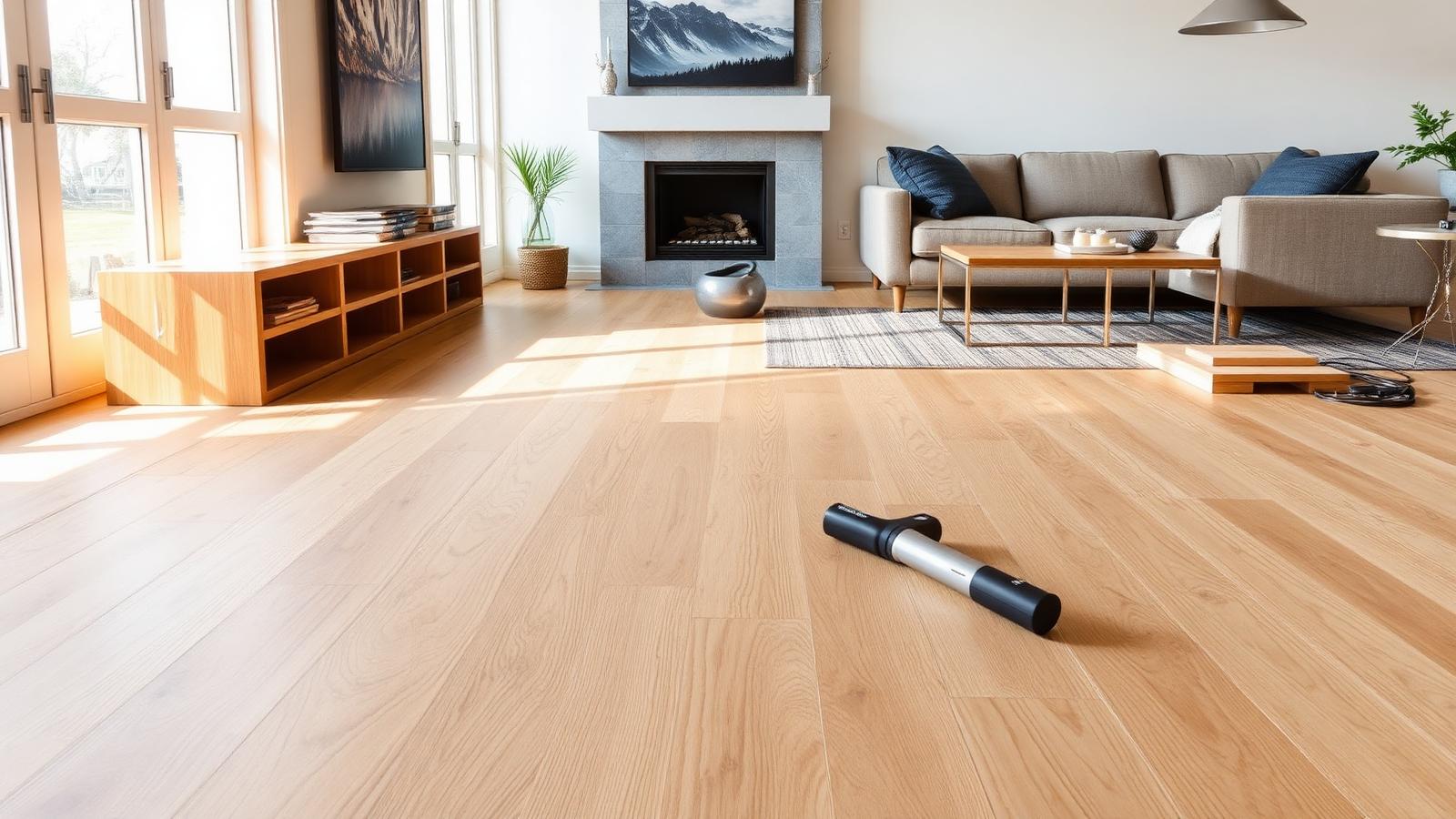
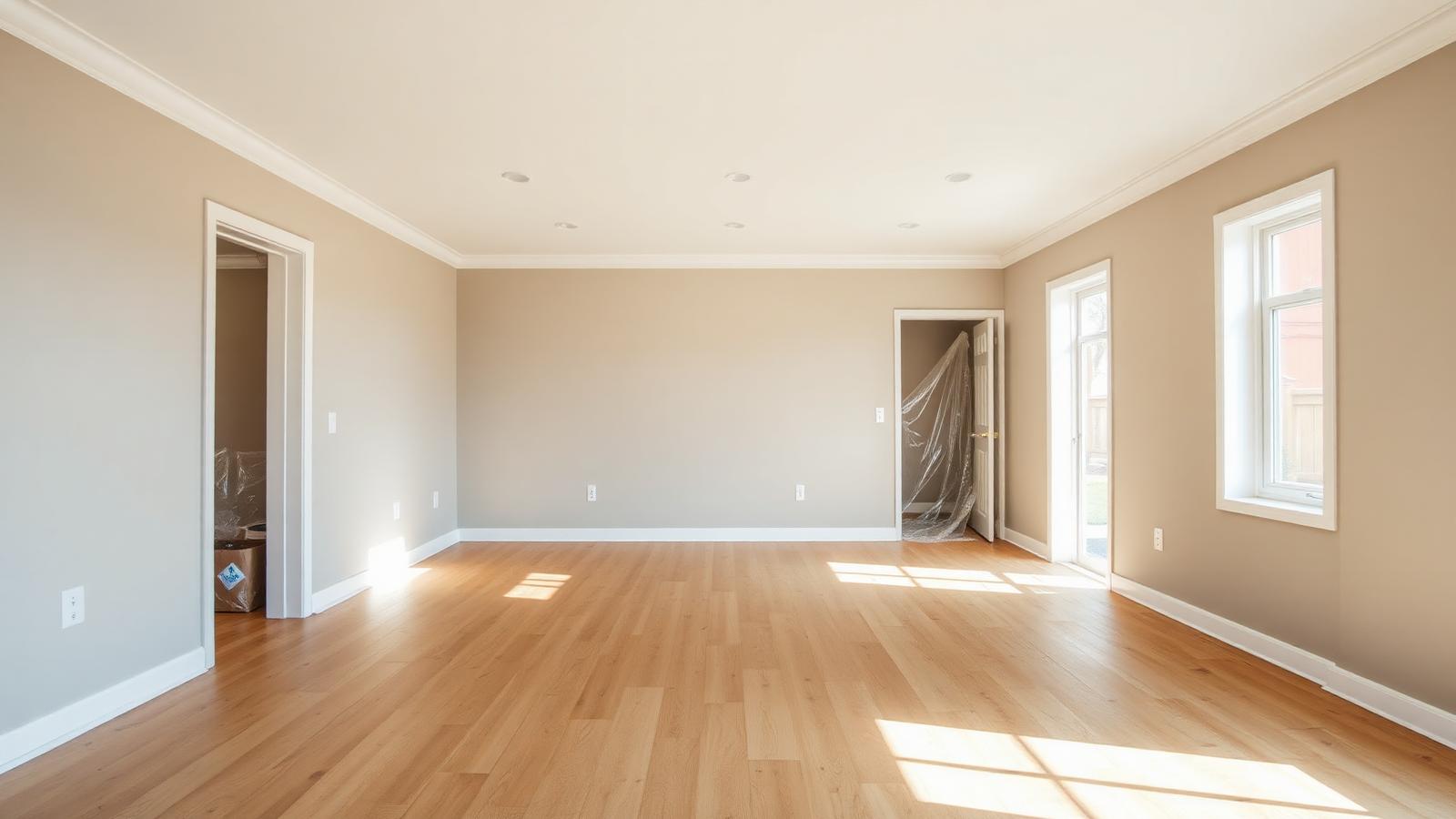
A Calgary installer breaks down condo flooring rules, IIC and STC ratings, floating floor bans, and what your board actually needs before you renovate.
Condo flooring rules in Calgary trip up more renovators than almost anything else in a reno. You pick your LVP, get a quote, book the crew, then find out three weeks later your board wants a stamped underlay spec, a two million dollar insurance certificate, and four to six weeks to review the paperwork before anyone touches a plank. By then your contractor has moved on to the next job. I've seen this exact sequence play out more times than I can count, and it's almost always avoidable if you know what's coming before you order a single box of flooring.
What most Calgary condo boards actually ask for
Every building is different, but the paperwork tends to rhyme. Boards generally want a written scope of work describing what's going in and where. They want proof your contractor carries a business license and WCB coverage. They want a liability insurance certificate, usually two million dollars minimum, naming the condo corporation as an additional insured. Some ask for a proposed schedule with set work hours, because nobody wants a tile saw running at 7am above a unit with a night-shift nurse in it. And almost every board now asks for full product specs on the underlay, not just the flooring.
That last part catches people off guard the most. Homeowners walk into a showroom, fall in love with a wide-plank engineered oak, and never think to ask what's supposed to go underneath it until the board application gets kicked back.
The IIC and STC numbers nobody explains properly
Two ratings matter here. IIC measures impact sound, footsteps, a dropped shoe, a dog's nails on the floor. STC measures airborne sound, voices, music, that kind of thing. Concrete high-rise condos live and die by IIC, since impact noise is what travels down through a slab into the unit below.
Calgary buildings vary a lot on what they require. Some older concrete low-rises are still working off bylaws written before LVP existed, and they lean on vague language like "hard surface flooring requires board approval," which leaves a lot open to interpretation. Newer towers downtown, the ones going up around East Village and the Beltline, tend to bake a specific IIC number into the original building standards, often somewhere in the mid-50s to mid-60s depending on the developer.
Here's the part that trips people up. The rating applies to the whole assembly, concrete slab, underlay, and finished floor together, not to the flooring product on its own. A plank that's rated great on its own spec sheet can still fail a building's acoustic requirement if it's paired with the wrong underlay, or none at all.
Why floating floors get banned in some buildings
A lot of Calgary condo bylaws flat out ban floating floor installations, click-together LVP or laminate that isn't glued or fastened to the slab. The logic is sound even if it's frustrating to hear. A floating floor transmits impact sound more efficiently than one that's bonded down, because there's an air gap doing none of the acoustic work it should be doing.
Boards that ban floating floors usually want glue-down installation instead, with an acoustic underlay bonded directly to the concrete. That changes your material options and your labour cost, worth knowing before you fall for a specific product at the store.
Older buildings versus new downtown towers
Character concrete buildings from the seventies and eighties, plenty of them still standing in Calgary's inner city, were built long before anyone worried about IIC ratings on residential renovations. Their bylaws are often thin on flooring specifics, which sounds like freedom but usually means the board makes a judgment call unit by unit, sometimes inconsistently. I've seen two owners in the same building get different answers to the same question, six months apart, because the board composition changed.
Newer buildings tend to be stricter but more predictable. Developers baked acoustic standards into the original building documents, so a board reviewing your application is checking your submission against a number that's already written down somewhere, not making it up as they go. Stricter isn't necessarily worse. At least you know the target before you buy the flooring.
What happens if you skip the approval step
Sometimes a homeowner just installs the floor and figures they'll deal with the paperwork later, or not at all. That gambit does not age well. Boards that catch an unapproved install can require you to rip it out and start the process properly, at your cost, and I've been called in to quote exactly that job more than once. It also creates a paper trail that follows the unit. Some buildings won't process a resale or a lease change until an unapproved renovation is brought into compliance, which is a bad surprise to discover the week you're trying to sell.
Getting condo flooring rules in Calgary right the first time
The fix here isn't complicated, it just has to happen in the right order. Read your condo's bylaws or call your property manager before you buy anything. Ask specifically about IIC and STC minimums, floating floor restrictions, and what documentation the board needs to see. Build the four to six week review window into your renovation timeline instead of finding out about it after your contractor is already booked.
Condo flooring rules in Calgary aren't there to make your life difficult, even when it feels that way at nine weeks into a reno that should have taken three. They exist because someone below you has to live with whatever noise your new floor sends downstairs. Get the approval sorted before you order materials and the whole project moves a lot smoother.
If you're planning a condo renovation anywhere in Calgary and want help figuring out what your building actually requires before you buy flooring, reach out through gmodernconstruction.ca. We'll help you get the spec right the first time.
Written by
Gagandeep Gadu
Founder & Lead Installer, G Modern Construction
Gagandeep has installed tile and flooring across Winnipeg and Calgary since 2023, including 132-unit multi-family projects. He founded G Modern Construction to bring in-house craftsmanship to Calgary flooring.