A Calgary installer explains what counts as an uneven subfloor, why older homes hide the worst cases, and how we level them before tile, LVP, or hardwood goes down.
Every flooring failure I get called out to fix eventually traces back to the same culprit: an uneven subfloor nobody bothered to check before the new floor went down. Doesn't matter if it's hardwood, tile, or LVP. If the surface underneath isn't flat, the floor on top is living on borrowed time. I've walked into Calgary living rooms where the tile started cracking six months after installation and the owner swore the tile was bad. Nine times out of ten, the tile was fine. The subfloor wasn't.
What Actually Counts as an Uneven Subfloor
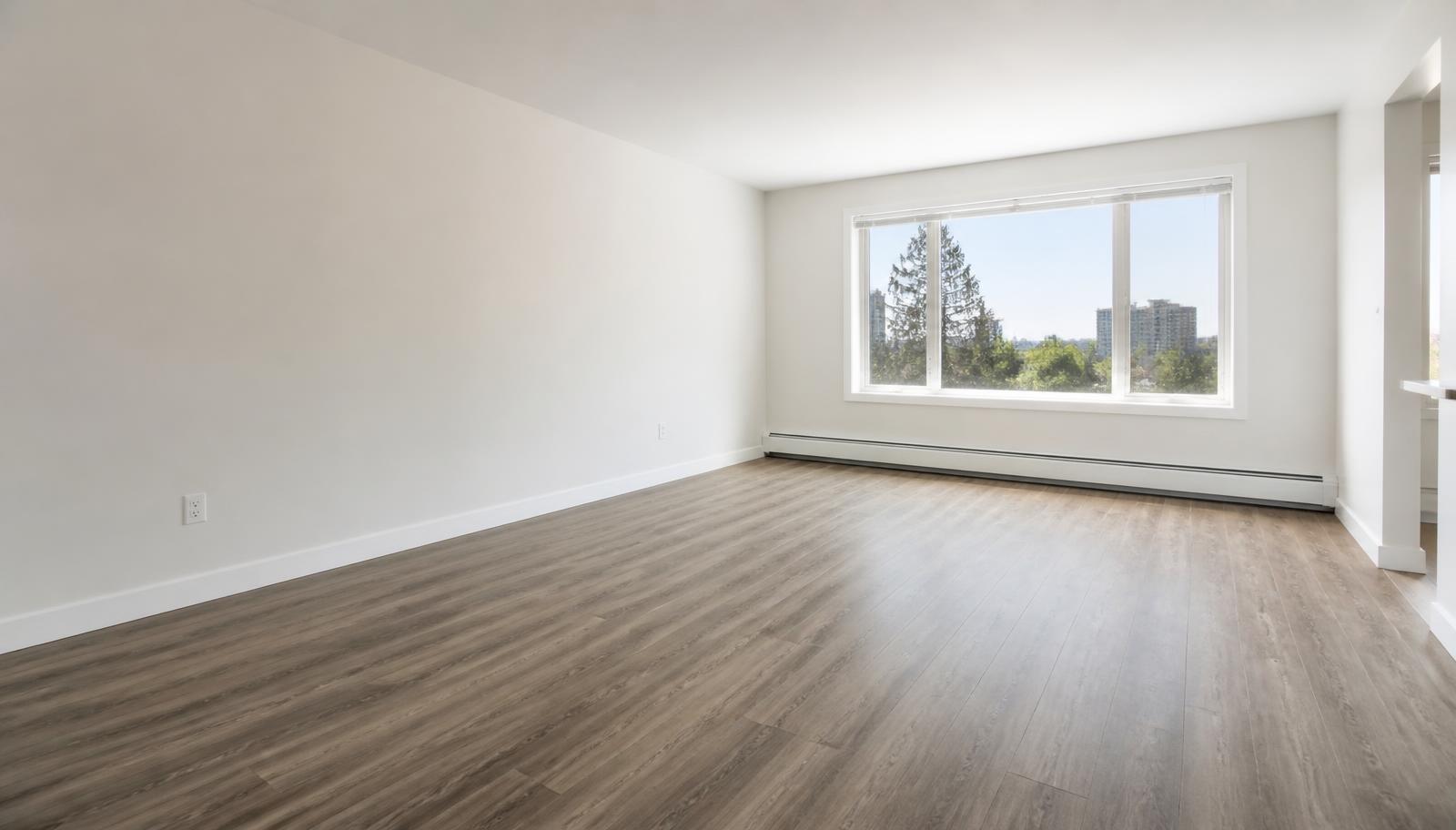
There's an industry number for this and it isn't arbitrary. Most tile manufacturers and trade standards want a subfloor flat within 3/16 of an inch over a 10 foot span. LVP and engineered hardwood give you a bit more room, but not much. That sounds like nothing until you set a straightedge down and watch your living room dip half an inch toward the window. I bring a 10 foot aluminum straightedge and a level to every quote now. Most homeowners have never seen anyone actually check for this before, and that tells you something about how often it gets skipped.
You can do a rough version of this test yourself before you even call anyone. Grab a long level, or a straight piece of lumber, and lay it across the floor in a few directions. Slide a coin under it here and there. If you're finding gaps you can slip a nickel under in the middle of the room, you've got a problem worth flagging to whoever quotes the job. It won't replace a proper check, but it'll stop you from being surprised later.
Why Older Calgary Homes Have the Worst Uneven Subfloors
Character homes in Bowness, Killarney, and Sunnyside humble me on a regular basis. These houses have been settling for sixty or seventy years. Joists crown, joists sag, additions get tied into the original framing at slightly different heights, and somewhere along the way somebody laid three generations of flooring on top of each other instead of tearing the old stuff out first. Newer builds aren't off the hook either. Truss uplift and normal lumber shrinkage can throw a brand new subfloor out of level within a couple of winters, especially once Calgary's dry chinook swings start pulling moisture out of the framing.
I've also seen plenty of DIY subfloor patches over the years, a piece of luan screwed down over a soft spot, or a section of OSB that doesn't match the height of the surrounding plywood by a good quarter inch. Well meaning, usually. Still creates a ridge that shows up under thin LVP within a month.
What Happens When You Flooring Over an Uneven Subfloor
Tile is the least forgiving material out there. Set porcelain over a hump or a dip and you get lippage, that ridge where one tile edge sits proud of the one beside it. Worse, you get cracked tile within a year because the tile is flexing over a void instead of bedding into solid mortar. LVP is more forgiving but it isn't immune. Planks over an uneven subfloor telegraph every dip, and you'll hear it before you see it, a hollow click underfoot every time someone crosses the room. Hardwood is the most dramatic of the three. Nail or glue it over a wavy subfloor and you're looking at squeaks, gaps opening by the second winter, and in bad cases boards that cup or crown because they never sat flat to begin with.
How We Fix an Uneven Subfloor Before Installation
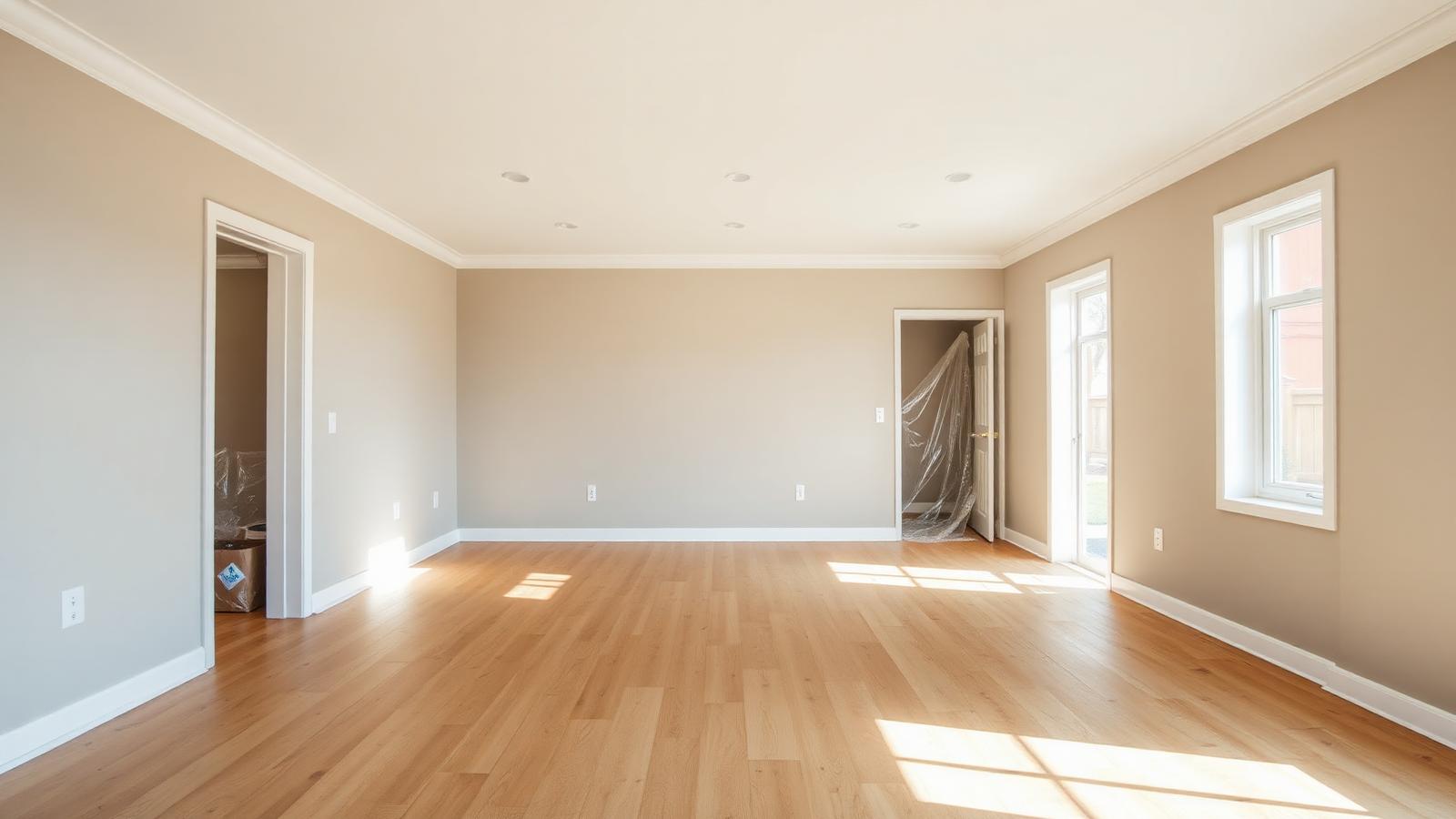
For minor dips, self-leveling compound handles it. We prime the subfloor, pour the compound, it finds its own level over a couple hours and cures overnight, and you're left with a flat surface for tile or LVP to sit on. Expect somewhere around two to five dollars a square foot for that step alone, depending on how much compound the room needs and how bad the low spots are. For bigger humps, we grind them down with a floor grinder before anything else happens. For actual structural sag, sometimes the fix isn't cosmetic at all. It means sistering a joist or adding blocking before the flooring conversation even starts. That's not the answer anyone wants on quote day, but it's a lot cheaper than replacing a cracked tile floor two years from now.
None of this work is glamorous. Nobody redoes a bathroom and posts photos of the leveling compound drying. But it's the difference between a floor that looks good in the listing photo for six months and one that's still flat when you sell the house in fifteen years. It's also the difference between a warranty claim that gets denied and one that doesn't, since most manufacturers will point straight at subfloor prep the moment a floor fails.
Ask About Uneven Subfloors Before You Pick a Single Tile
If you're planning a flooring installation anywhere in Calgary, ask whoever you're hiring how they check for an uneven subfloor, and don't accept "it'll be fine" as an answer. At G Modern Construction we check flatness on every quote before we talk products or patterns, because the subfloor decides whether that beautiful tile lasts five years or fifteen. Reach out through gmodernconstruction.ca and we'll walk your space with a straightedge, not just a sample book.
Written by
Gagandeep Gadu
Founder & Lead Installer, G Modern Construction
Gagandeep has installed tile and flooring across Winnipeg and Calgary since 2023, including 132-unit multi-family projects. He founded G Modern Construction to bring in-house craftsmanship to Calgary flooring.