A Calgary installer breaks down what slip resistance ratings actually mean, and why our winters make commercial entrances a bigger liability risk than most owners realize.
Every restaurant owner, property manager, and GC I talk to eventually asks some version of the same question. What flooring actually keeps people from going down when the entrance turns into a slush pit in January? Slip-resistant flooring for Calgary commercial spaces isn't a design preference. It's the line between a clean insurance file and a lawsuit after someone's grandmother catches a heel on wet porcelain.
I get called in on this more than you'd think, usually after the fact. A tenant improvement goes in, the tile looks sharp, then six weeks later someone slips by the host stand and the landlord's insurance broker starts asking pointed questions. Let's get ahead of that.
What "slip resistant" actually means
Most people think any textured tile counts as safe. It doesn't work that way. Slip resistance gets measured, not guessed at. The industry standard now is DCOF, dynamic coefficient of friction, tested wet, because dry floors rarely cause problems. Anything rated DCOF 0.42 or higher is generally considered acceptable for level interior floors under the ANSI A137.1 standard most manufacturers test against.
You'll also see the old R-scale on European tile spec sheets, R9 through R13, ramping up from mildly textured to heavily aggressive surfaces meant for slaughterhouses and industrial kitchens. A polished porcelain slab might look like it belongs in a hotel lobby and test out around R9. Fine for a dry showroom floor. Not fine for a Calgary entryway in February.
Calgary entrances take a specific kind of abuse
This is the piece a lot of out-of-province suppliers miss. Our winters put a particular kind of water on commercial floors, gritty, salty, sometimes half-frozen slush that gets tracked in on boot soles and drips for the next twenty minutes while it melts. Then a chinook rolls through, the parking lot turns to standing water, and the same door gets hit again with a different kind of wet.
That's not a two-week problem either. From November through March, entrances in Calgary see this cycle over and over. A floor that tests fine in a lab in Ontario needs to actually perform through a season of boots, brine, and grit here, not just pass a spec sheet.
Where it matters most, and where you can ease off
You don't need R13 industrial rating across an entire dining room. That's overkill, and honestly it makes cleaning harder and comfort worse for staff on their feet all shift. Where I push clients to spend on higher slip resistance:
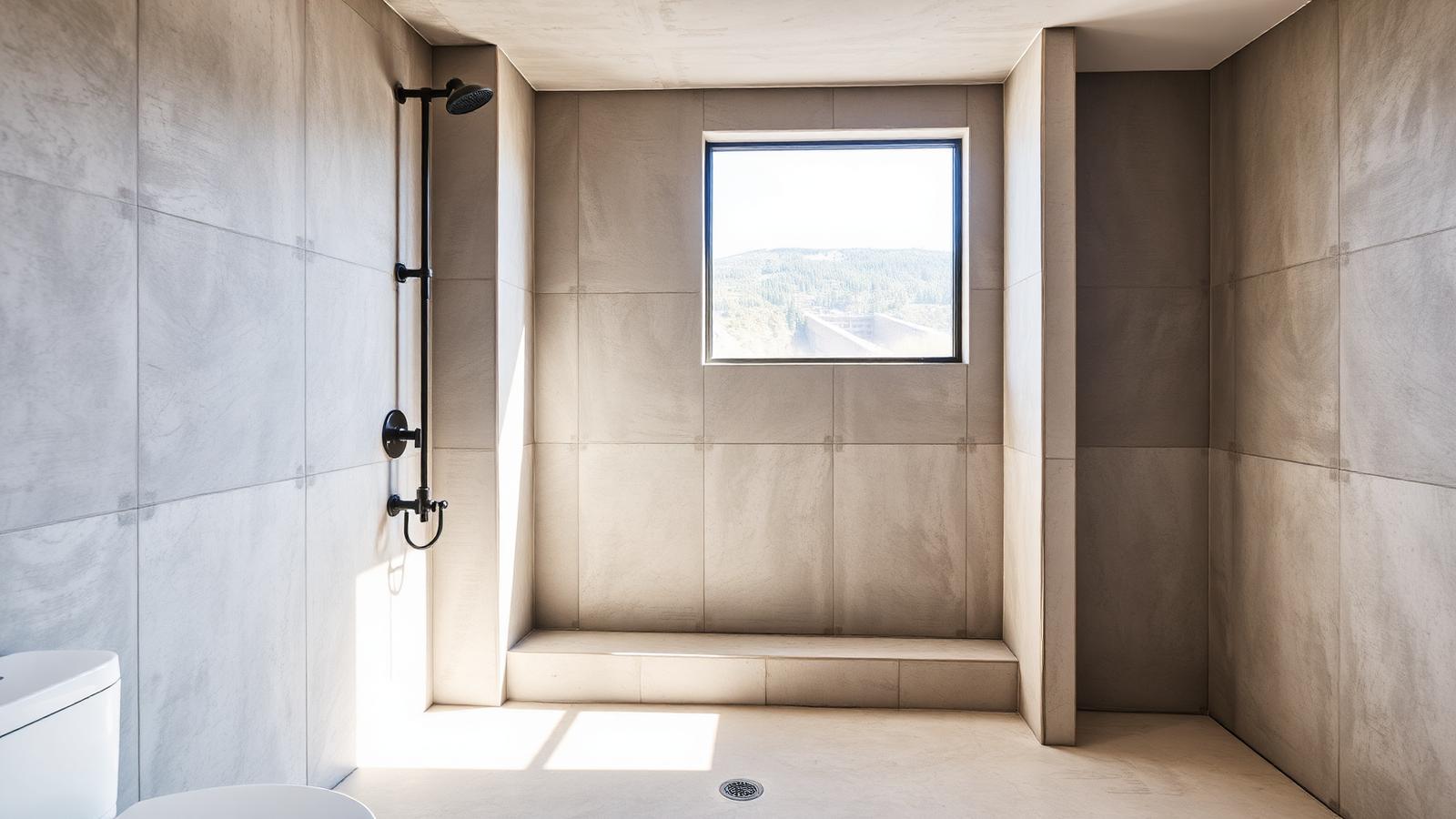
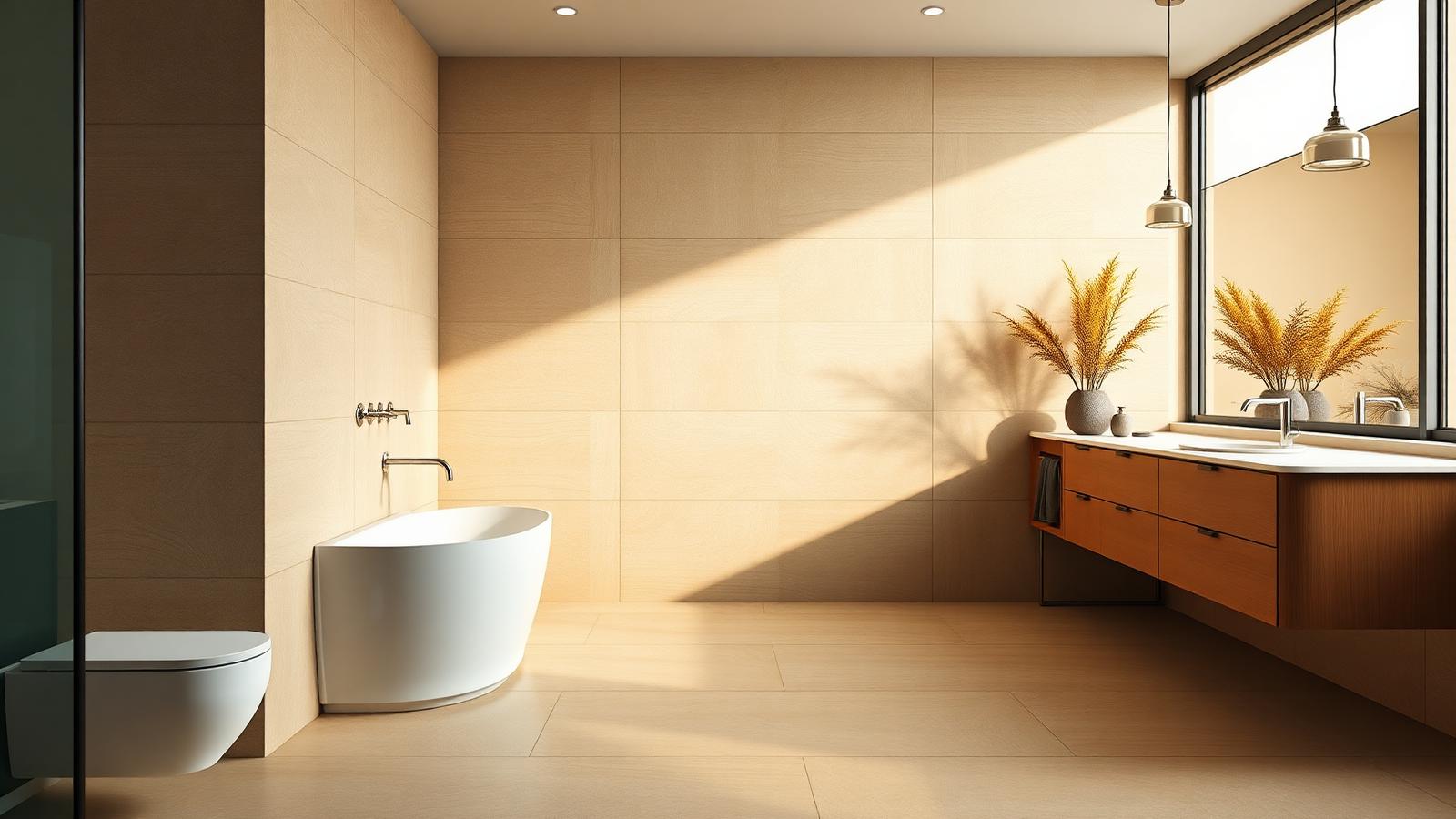
Entrances and the first ten feet past the door. Kitchen back of house, especially near dish pits and fryers. Washrooms, every time. Ramps and any sloped transition. Bar service areas where ice and spilled drinks are a daily reality.
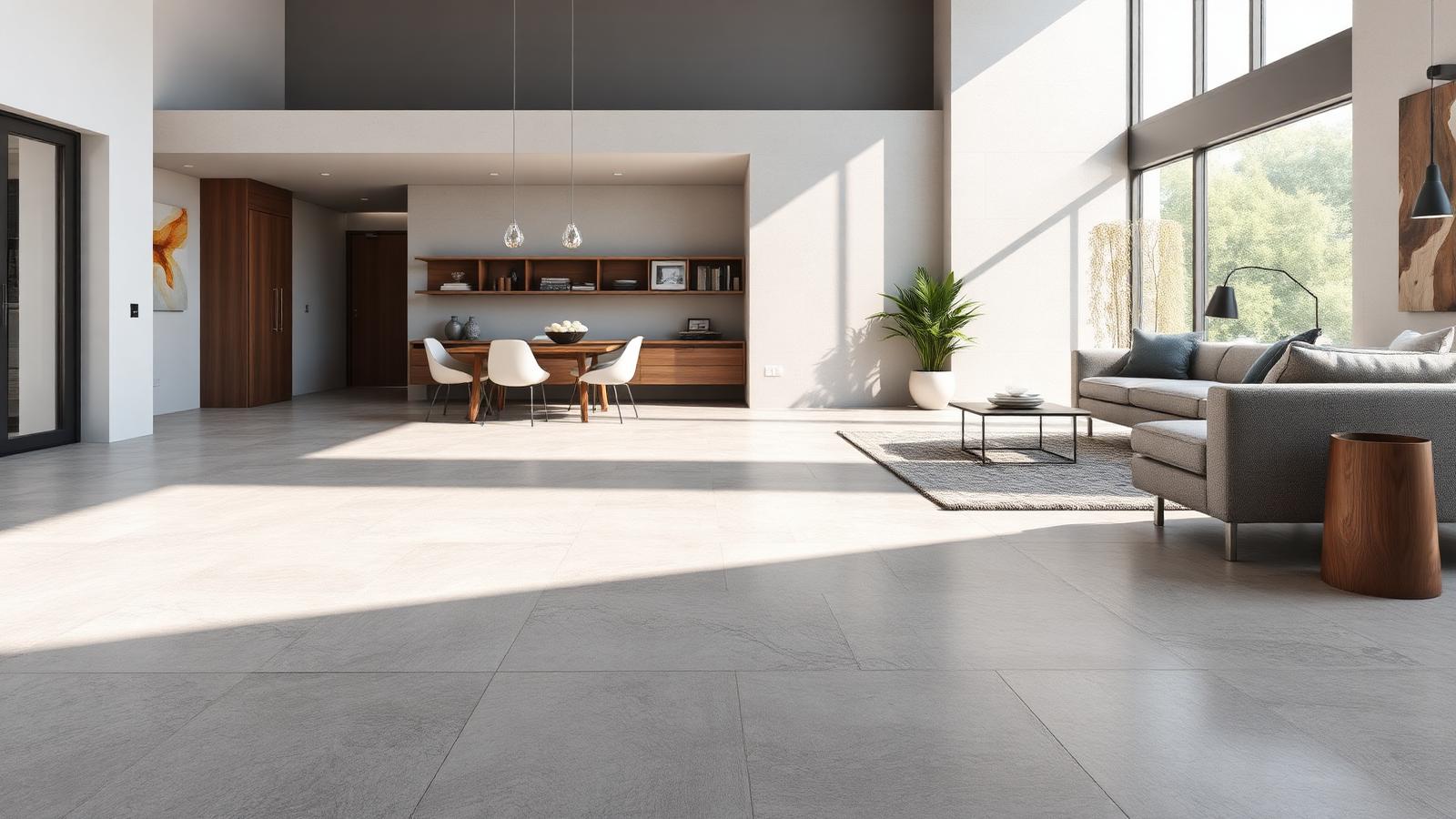
Open dining floors, retail sales floors away from entrances, and office common areas can run a lower rating without real risk, which gives you more flexibility on look and budget in the areas customers actually see.
Who actually sets the requirement
The Alberta Building Code doesn't hand you a DCOF number for every room, it leans on referenced standards and reasonable care language, which honestly puts more responsibility on the design and installation side than a lot of owners realize. Alberta OHS rules are more direct about employers keeping walking surfaces free of slip hazards for staff. And if you're leasing to a franchise, Tim Hortons, a national gym chain, whoever, their own building standards often spell out a specific rating in the tenant fit-out package. Read that document before you order tile, not after.
Liability insurance is really where this gets teeth. After an incident, an insurer's investigator will ask what rating the floor was tested at and whether it matched the intended use. Having a spec sheet on file that shows you specified the right material for a wet commercial entrance is worth more than any verbal assurance from your installer.
Material choice actually changes the outcome
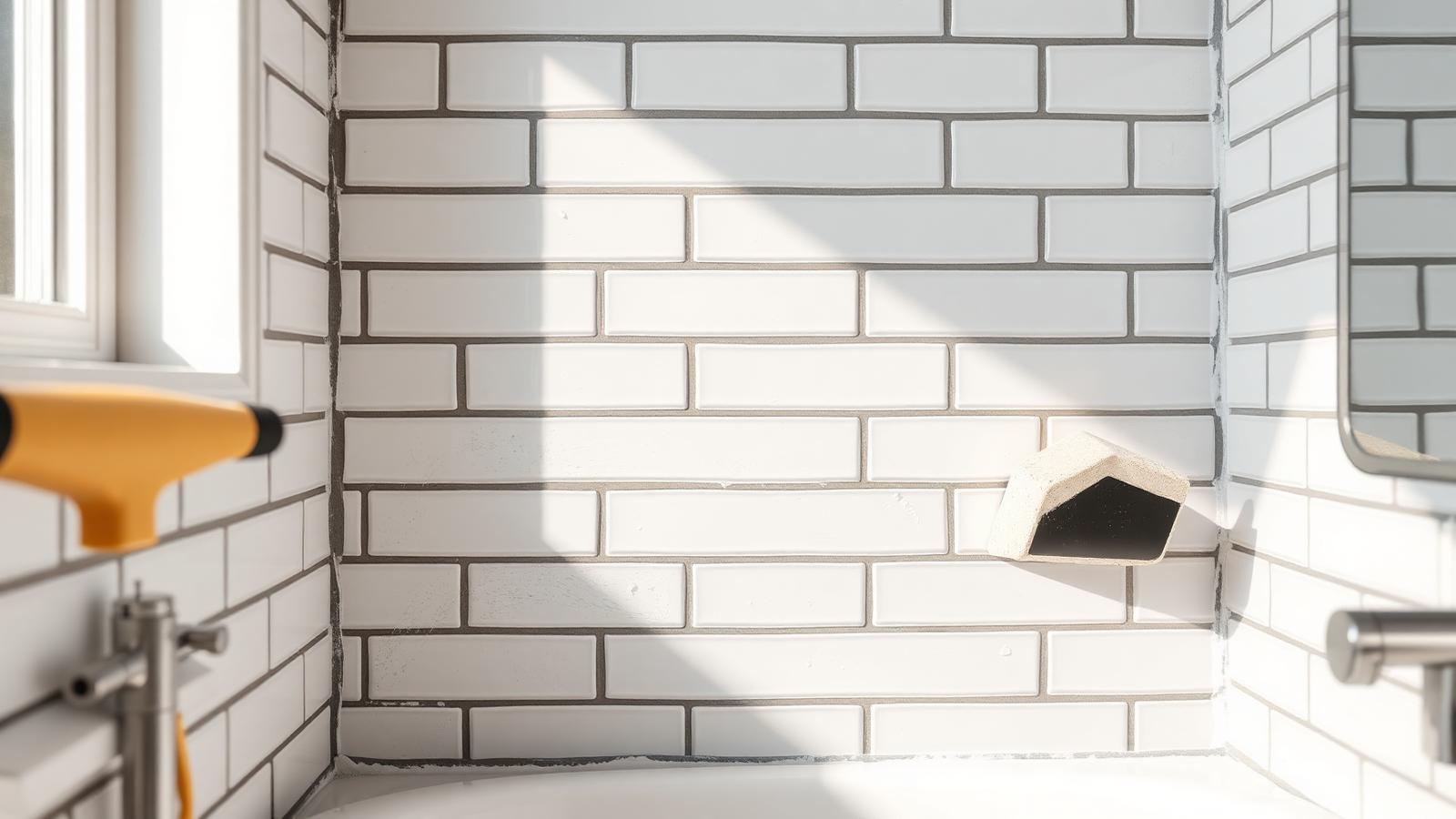
Structured or lappato-finish porcelain in a mid-size format handles commercial entrances well, textured enough to grip wet boots, dense enough to survive years of cart traffic. Smaller format tile with more grout lines gives you extra traction lines for free, which is part of why you still see mosaic strips at a lot of commercial entry mats. Polished natural stone looks fantastic and is genuinely a poor call for a wet Calgary entrance, the polish that makes it shine is the same polish that kills the friction. Some LVP commercial lines now carry a slip-rated wear layer too, worth asking your supplier for the spec sheet by name, not just the marketing copy.
The maintenance nobody wants to talk about
This one gets skipped constantly. Slip resistance isn't permanent. Wax-based cleaners build a film over textured tile and quietly erode the very texture that made it grippy in the first place. Aggressive commercial cleaners can do the same thing over a few years. A floor that passed inspection at installation can fail two years later because the cleaning crew used the wrong product on it every week. If you manage a commercial space, ask your cleaning contractor what they're using on the tile, because it matters more than the install did.
Getting slip-resistant flooring right in a Calgary commercial space isn't complicated. Match the rating to the room and remember that a Calgary winter doesn't stop testing your entrance just because the tile install is finished. If you're planning a commercial fit-out or retrofit and want a straight answer on what rating your space actually needs, reach out through gmodernconstruction.ca. We'll tell you what holds up and what doesn't, before you're the one explaining it to an insurance adjuster.
Written by
Gagandeep Gadu
Founder & Lead Installer, G Modern Construction
Gagandeep has installed tile and flooring across Winnipeg and Calgary since 2023, including 132-unit multi-family projects. He founded G Modern Construction to bring in-house craftsmanship to Calgary flooring.